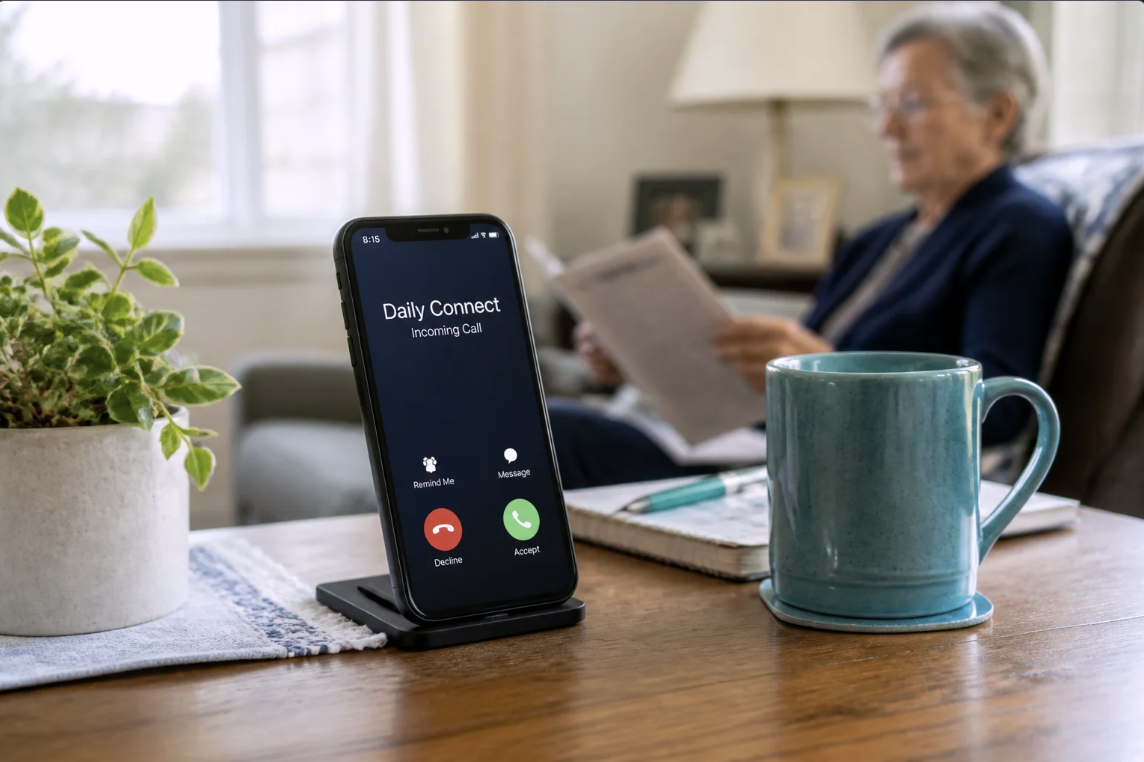
Daily Connect is Thryve's free senior check-in service: a daily automated call confirming a senior is okay, with escalation if it's missed. Learn how it works, why it matters, and how to sign up.
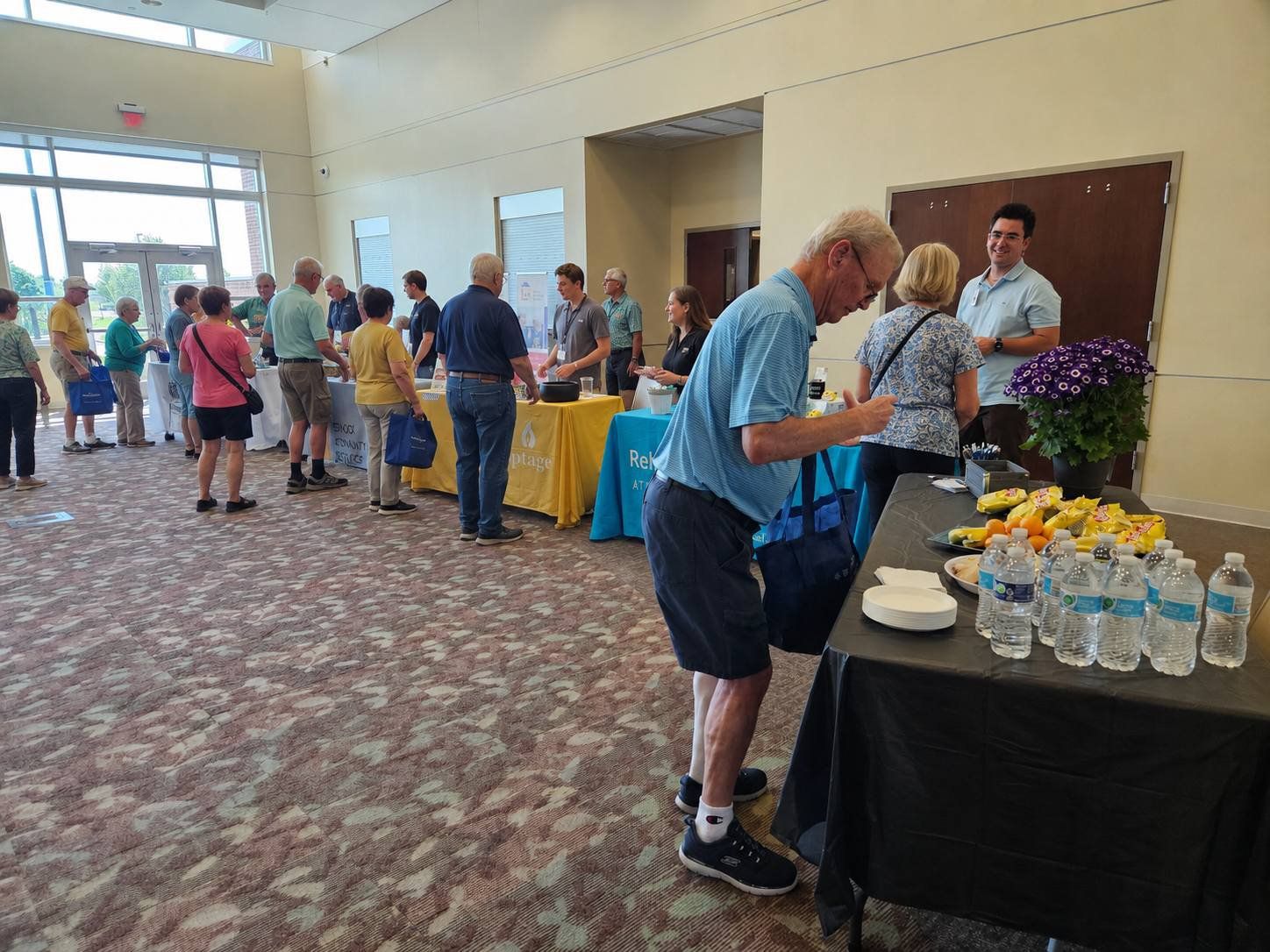
At Thryve, community, education, and connection are at the heart of what we do—and the past few weeks have been filled with exciting opportunities to learn and grow together! Thank You for Joining Us at Our 2nd Annual Vendor & Expert Fair We want to extend a heartfelt thank you to everyone who attended Thryve’s 2nd Annual Vendor & Expert Fair on May 28th at the Crow River Senior Center. What an incredible morning of connection, learning, and community! It was wonderful to see community members, caregivers, professionals, and local partners come together to share resources, ideas, and meaningful conversations. A special thank you goes to our expert presenters for sharing their time and knowledge. We are grateful to Pam Manthei of Mid-Minnesota Legal Aid for her informative presentation, “Housing is Where the Health Is,” which highlighted the important connection between housing stability, health, and legal resources. We also want to thank Cynthia Child, TECH Services Coordinator with Senior Community Services , for leading “Is That AI?” and helping attendees better understand a fast-growing topic in an approachable and engaging way. To our local vendors and service providers—thank you for helping make the event such a success. Your dedication to supporting older adults, caregivers, and families in our community makes a lasting impact, and we are grateful for the connections and conversations shared throughout the morning. Most importantly, thank you to every attendee who joined us. Your participation made this event meaningful, and we loved seeing so many people connecting, asking questions, and learning together. Our First Senior Seminar: Fall Prevention We were also excited to host our first Senior Seminar on May 26th , focused on Fall Prevention . This important topic sparked thoughtful discussion around practical ways to reduce fall risks, stay safe at home, and maintain confidence and independence. Thank you to everyone who attended and participated in the conversation. We are thrilled to launch this seminar series and look forward to continuing to bring relevant, educational topics to our community. Join Us for Our Next Senior Seminar – June 23rd! Mark your calendars for our next Senior Seminar on June 23rd , featuring the topic: “Stop, Spot & Report Scams” Scams targeting older adults are becoming increasingly common, and staying informed is one of the best ways to protect yourself and your loved ones. Join us to learn how to recognize warning signs, avoid common scams, and know what steps to take if something feels suspicious. We encourage you to bring a friend, family member, or caregiver and join us for another opportunity to learn, connect, and stay informed. We look forward to seeing you there!

Simple ways to beat the heat while staying connected Summer brings sunshine, longer days, and more opportunities to spend time outdoors—but it also brings rising temperatures. Whether you’re heading to community events, enjoying neighborhood activities, or simply relaxing outside, staying cool is key to making the most of the season safely and comfortably. Here are a few easy ways to stay cool while enjoying your community this summer. Hydration Comes First Warm weather means your body loses more fluids, especially if you’re spending time outdoors. Carry a reusable water bottle and make hydration part of your routine. Even if you don’t feel thirsty, sipping water throughout the day can help you stay energized and avoid heat-related fatigue. Pro tip: Add fresh fruit like lemon, cucumber, or berries to your water for a refreshing summer boost. Find Shade and Cool Spaces Community parks, patios, and outdoor gatherings are great in the summer—but it’s smart to plan breaks in cooler areas. Look for shaded seating, indoor community spaces, or air-conditioned common areas when temperatures peak in the afternoon. If your community hosts events, consider stopping by during cooler morning or evening hours for a more comfortable experience. Dress for the Weather Lightweight, breathable fabrics can make a big difference on hot days. Choose light-colored clothing, comfortable footwear, and don’t forget a hat or sunglasses if you’ll be outside for extended periods. Small changes in what you wear can help you stay cooler and enjoy summer activities longer. Stay Social—Just Smart About the Heat Summer is one of the best times to connect with neighbors and participate in local events. Outdoor movie nights, fitness classes, farmers markets, or casual walks are all great ways to stay engaged. Just remember to listen to your body. Take breaks, cool down when needed, and don’t be afraid to move plans indoors if temperatures climb too high. Make Summer Enjoyable and Safe The best summer memories happen when comfort and wellness come first. Staying cool doesn’t mean staying inside—it just means planning ahead, staying hydrated, and finding balance while enjoying everything your community has to offer. At Thryve, we believe thriving starts with feeling your best—season after season. Stay cool, stay connected, and enjoy every sunny moment this summer.